

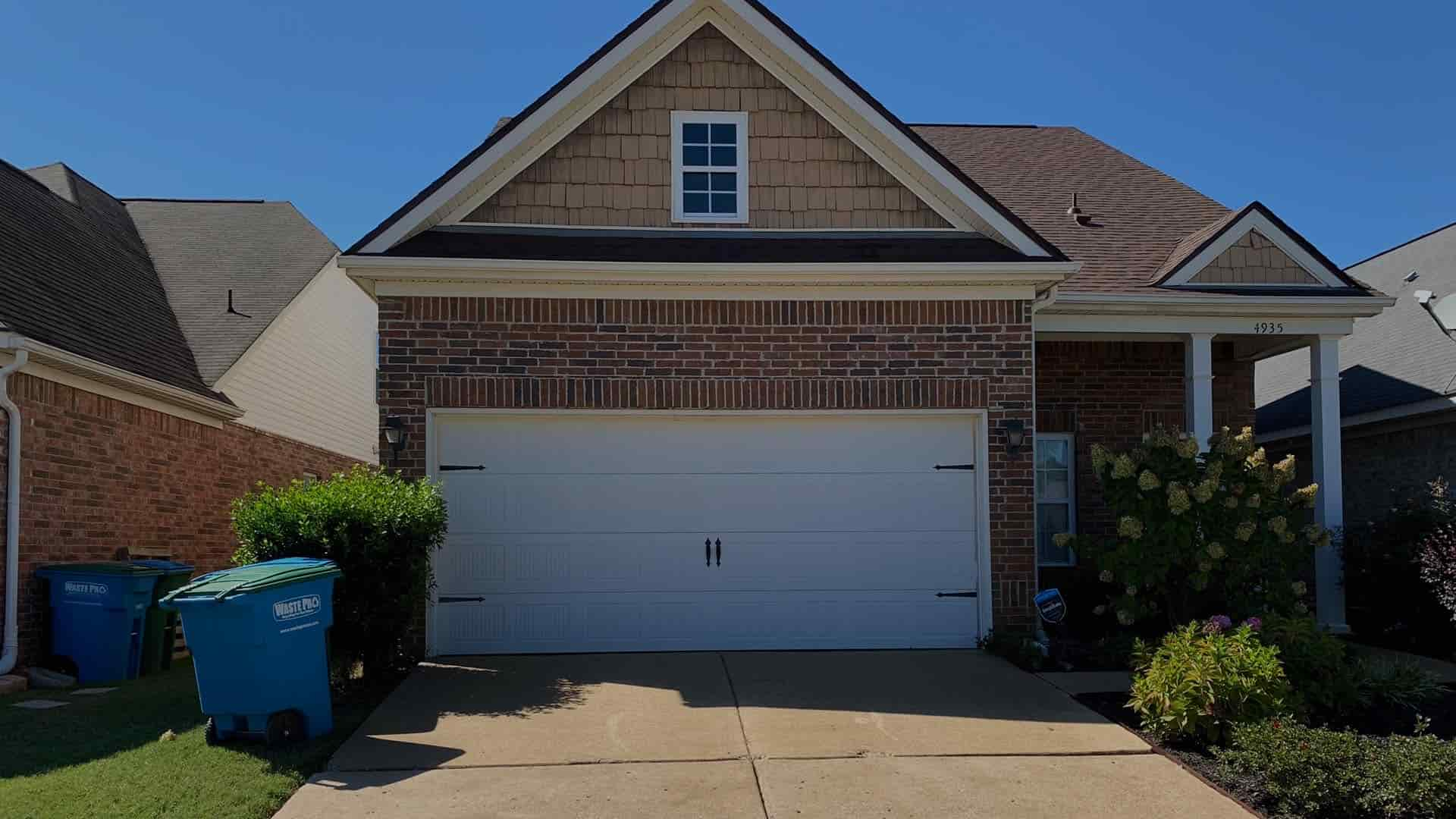

Memphis weather is tough on home exteriors. Heat, humidity, and spring pollen create the perfect mix for algae and grime. That does not mean the solution is a high-powered spray from a big-box machine. For many materials, the safest path is a pro-grade soft wash. If you want a spotless finish without risking damage, consider a trusted professional pressure washing service that is built for our local climate.
Why Pressure Washing in Memphis, TN Is Different
From Midtown to Cordova and out toward Germantown and Collierville, our region sees long, humid summers and frequent afternoon storms. Moisture settles into pores of brick, stucco, and wood. Algae and mildew grab on fast. That combination makes some surfaces far more fragile than they look.
Before you decide to spray, remember that pressure washing in Memphis, TN is about chemistry, water volume, and low, controlled pressure. A careful soft wash removes organic growth while protecting coatings, sealers, and joints. It also helps prevent water from being driven where it does not belong.
Surface 1: Asphalt Shingle Roofs
Those black streaks are usually algae, not dirt. Blasting shingles with high pressure can loosen protective granules and lift tabs. It can also push water up under the shingles and into your attic. Never use high pressure on roofing, even if the streaks seem stubborn.
Roofs need a specialized, low-pressure treatment with the right cleaning solution and application method. That way the algae is treated, not smeared, and the roof system stays intact for the long haul.
Surface 2: Aged Brick and Soft Mortar
Many Memphis homes in Cooper-Young, Central Gardens, and older Midtown streets feature beautiful, aged masonry. The trouble is that years of weathering can soften mortar joints. A harsh spray can chip the face of the brick and carve out mortar.
High pressure can erode mortar and open pathways for water to enter the wall. Once water gets behind brick, it is hard to dry, and interior damage can follow. A gentle wash that lets the detergent do the work is the safer choice for historic brick.
Surface 3: Wood Siding and Privacy Fences
Pine, cedar, and cypress are easy to scar. Too much pressure raises the grain and leaves wand marks that do not sand out easily. On lap siding, spray can force water behind boards, where it lingers and feeds rot.
A soft wash protects the wood fibers and helps coatings last. It also keeps water out of the wall cavity, which is especially important in high-humidity months.
Surface 4: Stucco and EIFS Walls
Traditional stucco and synthetic EIFS look solid but contain pores and layers that can trap water. A direct blast can crack thin areas, blow off finish coat, or drive moisture into the foam and sheathing.
Trapped water leads to hidden damage, like swelling, staining, and mold. A low-pressure application that rinses gently is the method built for these finishes, especially on shaded, north-facing walls where algae thrives.
Surface 5: Painted Siding and Trim
Paint protects your home, but high pressure can strip it in seconds and force water under edges and into seams. That creates peeling and early failure, often starting at window trim and fascia where joints are already stressed.
A controlled soft wash clears chalk, dirt, and mildew so paint can last longer and future repainting starts on a sound surface.
Surface 6: Windows, Screens, and Skylights
Glass might seem strong, but seals and gaskets are not. Hard spray can flex frames, damage screens, and disrupt the seal on insulated glass units. Once a seal fails, fogging and condensation begin, and replacement gets expensive.
Gentle cleaning keeps water out of the wall and leaves glass clear, without the risk of etching or pushing moisture where it should not go.
Surface 7: Paver Patios and Mortar-Set Stone
Memphis patios often use sanded-joint pavers or mortar-set flagstone. Blast those joints and you wash out sand, loosen the bed, and create wobble. With mortar, a sharp stream can open hairline cracks and pop chips from stone edges.
A careful wash that protects joints and sealers preserves the pattern and prevents settling. It also avoids streaking and patchy color shifts common after aggressive spraying.
Local insight: After spring pollen and a few sticky summer weeks, algae can return fast on shaded sides of Memphis homes. A soft wash that treats organic growth helps slow the comeback and keeps siding looking clean longer.
Soft Washing vs DIY in Memphis
Soft washing uses specialized solutions and low pressure to remove organic growth, soils, and staining. It is designed to protect fragile materials while delivering that fresh, even look Memphis homeowners want. Choose a pro who uses a soft wash process on delicate surfaces and saves standard pressure for tough concrete only where it is safe.
If you want to dig deeper into safe exterior care, browse our homeowner guides at pressure washing tips. You will see how the right method changes the result, especially in our humid climate.
How Memphis Weather Makes Certain Surfaces Risky
Heat, thunderstorms, and day-to-day humidity influence how water moves through your home’s exterior. When high pressure drives water into joints and cracks, it may not dry quickly. That is when stains, warping, and peeling begin.
- Long, humid summers fuel algae and mildew on north and east walls.
- Storm splatter pushes soil into tiny pores of brick, stucco, and wood grain.
- Pollen sticks to damp siding, creating a film that traps more dirt.
These conditions are common around East Memphis trees, Downtown shade corridors, and lake-facing lots in Bartlett and Cordova. A calibrated wash tailored to the material keeps your exterior healthy despite the weather swings.
Warning Signs You Might Already Have Wash Damage
Not sure if a past cleaning went too far? Look for subtle clues around trim, siding, and hardscapes before the next service. Spotting early issues helps you protect your home and avoid bigger repairs.
- Raised wood fibers or zebra-like wand marks on fences and decks
- Chipped brick faces or fresh sand washing from paver joints
- Cloudy, streaked, or fogged window panes near sprayed areas
- Peeling paint at fascia, soffits, or around window trim
When To Hire a Local Pro for Pressure Washing in Memphis, TN
Call a pro when you see roof streaks, algae on shaded stucco, or flaking paint. Also reach out before listing a home in Midtown or Germantown, or after summer storm season when grime builds fast. A professional will match the method to each surface and protect landscaping while they work.
Property managers and storefront owners can protect entrances, walkways, and facades without disrupting customers by scheduling commercial pressure washing during off hours. The right plan keeps high-traffic areas safe and appealing through the hottest months.
What a Professional Visit Looks Like
On a typical service day, a trained technician inspects materials, identifies organic growth, and maps out the safest approach. They select cleaners to break down grime and rinse with low, controlled pressure. That means a uniform clean without the risks that come with blasting.
If you want a safer clean for fragile surfaces, schedule a visit with our team. We are happy to walk through your property, explain the approach, and prioritize areas so your exterior stays protected all year.
Your Next Step for a Safer Clean
Keep rooftops, brick, wood, and stucco looking their best without the risk. Talk with Midtown Power Washers about a tailored plan for your home in Memphis. Start with our pressure washing service and see how a gentle approach brings back curb appeal while protecting the materials you value.